
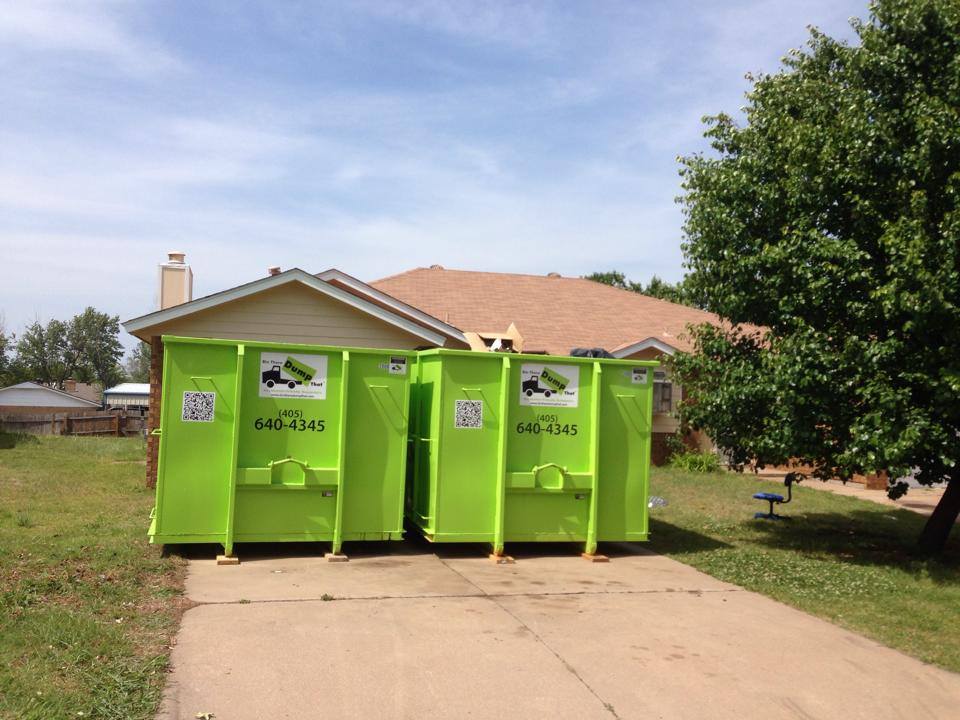
When embarking on a significant home renovation, construction project, or even a major cleanout, you may find yourself facing an overwhelming amount of debris and waste. This is where understanding the need for a dumpster becomes crucial. You might be surprised at how quickly trash accumulates when you’re tearing down walls, replacing flooring, or decluttering your garage.
A dumpster provides a centralized location for all your waste, making it easier to manage and dispose of responsibly. Without one, you could find yourself making countless trips to the local landfill, which can be time-consuming and exhausting. Moreover, having a dumpster on-site can enhance safety during your project.
Loose debris can pose hazards, especially if you have children or pets around. By utilizing a dumpster, you can keep your work area organized and minimize the risk of accidents. It also helps in maintaining a clean environment, allowing you to focus on the task at hand without the distraction of clutter.
Understanding these needs will guide you in making informed decisions about your waste management strategy.
Researching Local Dumpster Rental Companies
Once you recognize the necessity of a dumpster for your project, the next step is to research local dumpster rental companies. This process involves more than just a quick online search; it requires careful consideration of various factors to ensure you choose a reliable provider. Start by looking for companies that have positive reviews and testimonials from previous customers.
This feedback can give you insight into their level of service, reliability, and overall customer satisfaction. Additionally, consider the range of services offered by different companies. Some may provide specialized dumpsters for specific types of waste, such as construction debris or yard waste, while others may offer general-purpose options.
It’s also wise to inquire about their delivery and pickup schedules, as well as any additional services they may provide, such as assistance with loading or sorting materials. By thoroughly researching your options, you can select a company that aligns with your project’s needs and budget.
Choosing the Right Size Dumpster for Your Project
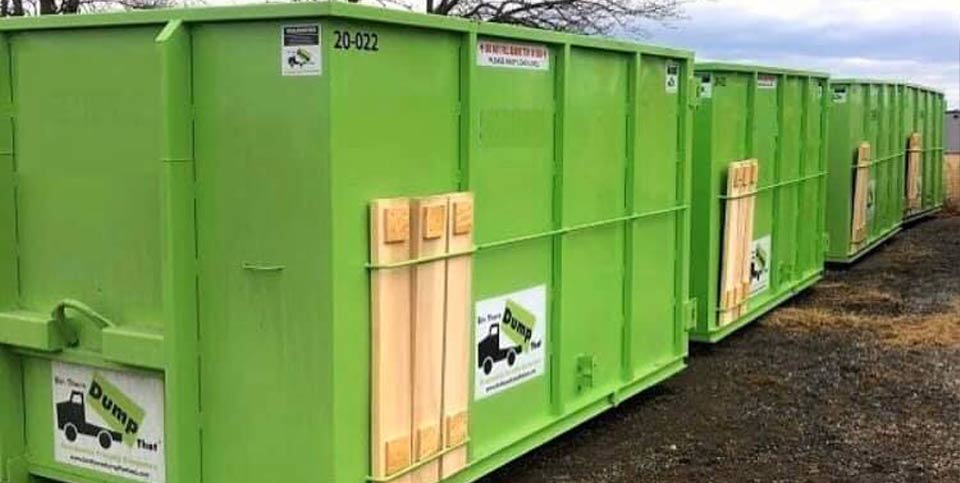 Selecting the appropriate size dumpster is a critical step in the rental process. Dumpsters come in various sizes, typically ranging from 10 to 40 cubic yards, and choosing the right one can significantly impact the efficiency of your project. If you underestimate the size you need, you may find yourself with an overflowing dumpster and additional costs for extra pickups.
Conversely, renting a dumpster that is too large can lead to unnecessary expenses and wasted space. To determine the right size for your project, consider the volume and type of waste you expect to generate. For smaller projects like garage cleanouts or minor renovations, a 10 or 15 cubic yard dumpster may suffice.
However, larger projects such as full home renovations or significant landscaping work may require a 30 or 40 cubic yard option. It’s also helpful to consult with your chosen rental company; they can provide guidance based on their experience with similar projects and help ensure you make an informed decision.
Obtaining Necessary Permits and Permissions
| Permit Type | Processing Time | Required Documents | Issuing Authority |
|---|---|---|---|
| Building Permit | 4-6 weeks | Construction plans, land survey, and application form | Local government or municipality |
| Zoning Permit | 2-4 weeks | Property survey, site plan, application form | Zoning board or planning department |
| Environmental Permit | 6-8 weeks | Environmental impact assessment, project proposal | Environmental protection agency |
Before placing your dumpster on public property or in certain residential areas, it’s essential to check if you need any permits or permissions.
Regulations regarding dumpster placement can vary significantly depending on your location.
In many cases, if you plan to place the dumpster on the street or in a public right-of-way, you will likely need to obtain a permit from your local government or municipality.
To navigate this process smoothly, start by contacting your local city or county office to inquire about specific requirements for dumpster placement. They can provide information on any necessary permits, fees associated with obtaining them, and guidelines for placement duration. By ensuring that you have all required permissions in place before your project begins, you can avoid potential fines or delays that could disrupt your timeline.
Scheduling the Delivery and Pickup of the Dumpster
Once you’ve selected a rental company and secured any necessary permits, it’s time to schedule the delivery and pickup of your dumpster. Timing is crucial in this step; coordinating delivery with the start of your project ensures that you have immediate access to waste disposal as soon as work begins. When scheduling, be clear about your project timeline and any specific needs you may have regarding delivery times.
Additionally, consider discussing pickup options with your rental company. Depending on the size of your project and how quickly you anticipate filling the dumpster, you may want to arrange for multiple pickups throughout the duration of your project. This can help keep your work area organized and prevent overflow issues.
Clear communication with your rental provider will ensure that everything runs smoothly from start to finish.
Proper Use and Loading of the Dumpster
Using your dumpster correctly is essential for maximizing its efficiency and ensuring compliance with local regulations. Start by familiarizing yourself with what can and cannot be placed in the dumpster. Most rental companies provide guidelines regarding acceptable materials; common items include construction debris, household junk, and yard waste.
However, hazardous materials like chemicals, batteries, and certain electronics are typically prohibited. When loading the dumpster, aim for even distribution of weight to prevent it from becoming unbalanced or tipping over during transport. Place heavier items at the bottom and lighter materials on top to create a stable load.
Additionally, try to break down larger items whenever possible; this not only maximizes space but also makes it easier to load everything efficiently. By following these guidelines, you can ensure that your dumpster is used effectively while adhering to safety standards.
Understanding the Costs and Fees Associated with Dumpster Rental
Before finalizing your dumpster rental, it’s crucial to understand the costs and fees associated with it. Rental prices can vary based on several factors including size, rental duration, and type of waste being disposed of. Most companies will provide a base rate that covers a specific rental period—usually around seven days—but additional fees may apply for extended rentals or exceeding weight limits.
Be sure to ask about any hidden fees that could arise during your rental period. For instance, some companies charge extra for overloading the dumpster or for disposing of prohibited materials. Understanding these potential costs upfront will help you budget more effectively and avoid unexpected charges when it’s time to settle up.
Transparency in pricing is key; don’t hesitate to ask questions until you feel confident about what you’re agreeing to.
Proper Disposal of Waste and Recycling Options
Finally, once your project is complete and the dumpster is full, it’s important to consider proper disposal methods for the waste collected. Many rental companies handle disposal for you; however, being aware of recycling options can help reduce landfill waste and promote environmental responsibility. Many materials such as wood, metal, concrete, and certain plastics can often be recycled rather than thrown away.
Before finalizing your disposal plan with your rental company, inquire about their recycling policies and whether they partner with local recycling facilities. Some companies may offer separate containers for recyclable materials or guide how to sort items effectively before disposal. By taking these steps, not only do you contribute positively to environmental sustainability, but you also potentially reduce costs associated with disposal fees for non-recyclable materials.
In conclusion, renting a dumpster involves several important steps that require careful consideration and planning. From understanding why you need one to ensuring proper disposal methods are followed at the end of your project, each phase plays a vital role in achieving an efficient waste management strategy. By following these guidelines and being proactive throughout the process, you can ensure that your project runs smoothly while minimizing stress and maximizing efficiency.Bin
Bin There Dump That Oklahoma City, is your residential-friendly dumpster rental company. Contact us for all your dumpster rental needs in OKC.